decompose
supporting material
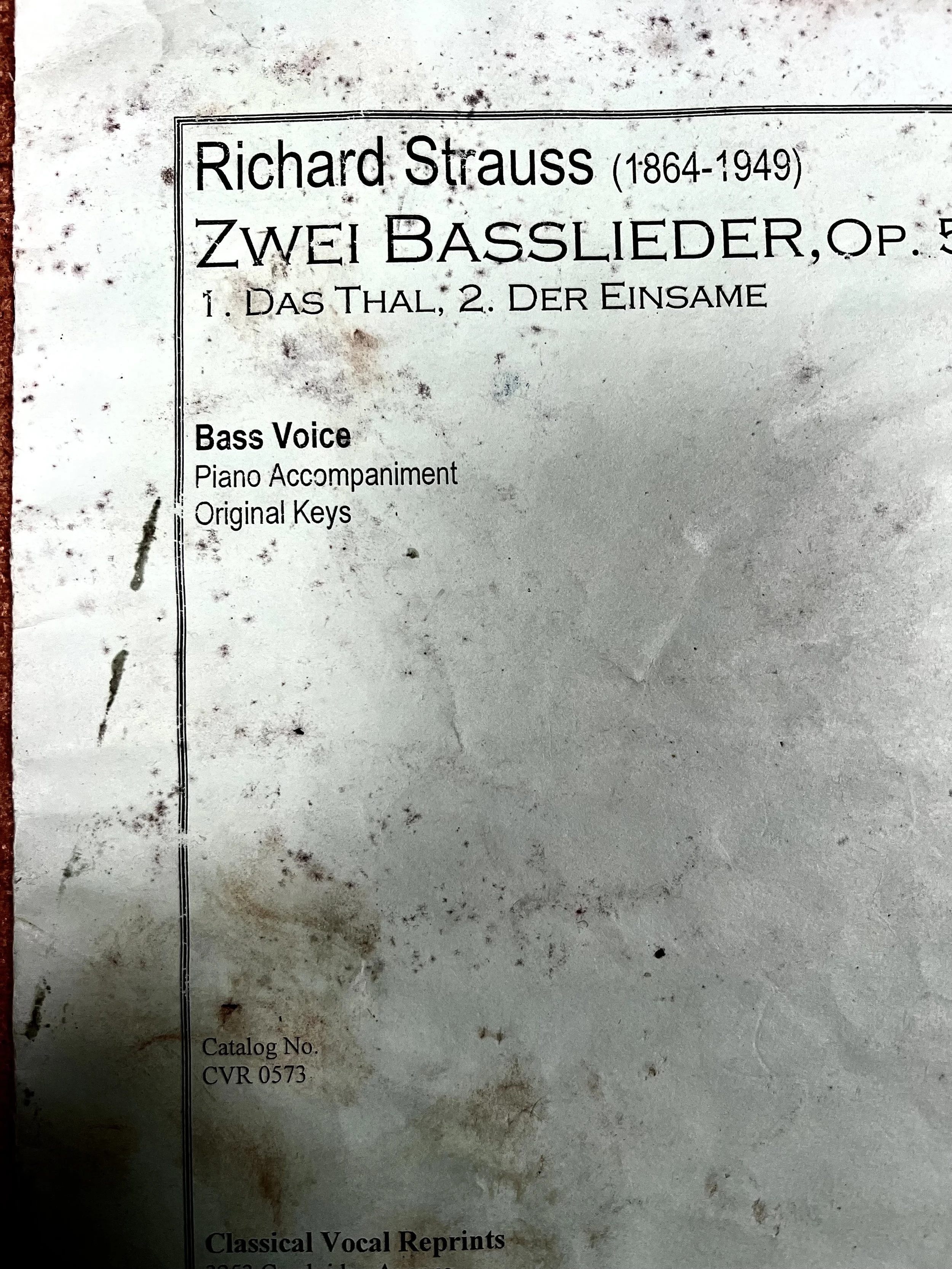
The idea of composing with microbial communities first occurred to me when finding microbial communities growing on my own scores after a few years of living in a particularly humid environment in rural West Virginia. The shape of the splotches suggested note heads to me, and I was enchanted by the biological liveliness of the material, interplaying with the structures of chamber music. At the time, I was a community organizer opposing large scale surface coal mine projects. I had studied music as an undergraduate, and returned to it after six years of environmental activism.
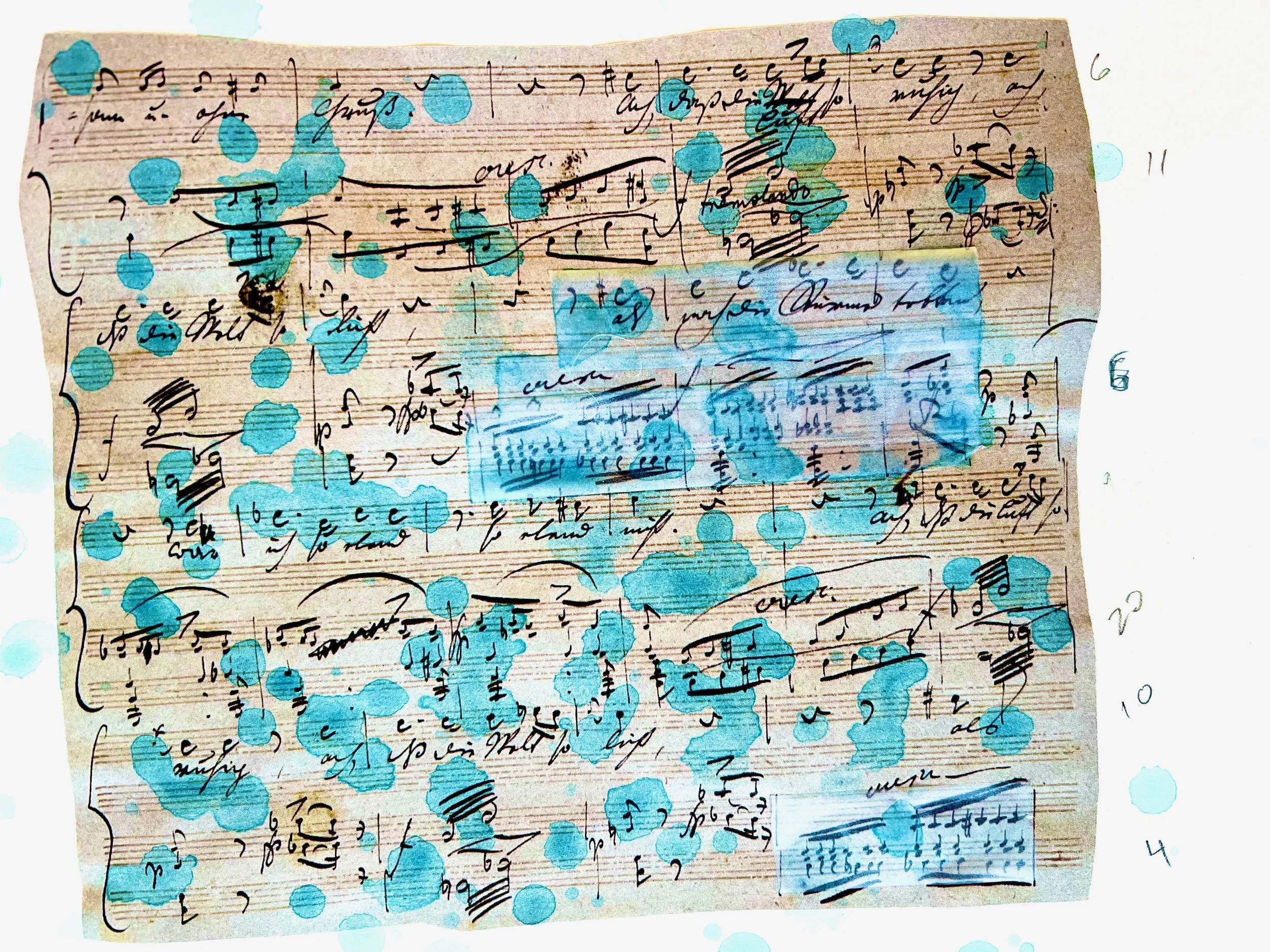
As I intertwined ecological themes in my musical and creative practice, I became interested in giving creative agency to non-human forces. In a way, this is similar to John Cage’s chance based methods, but centered on surrendering human subjectivity to non-human forces. This is a page of Schubert’s manuscript of Winterreise. I melted pieces of ice with blue paint (blue paint provided by my collaborator at the time, Kat Austen). Where the water fell, I removed the musical material. This was for the project postWinterreise, which fragments Schubert’s music proportionally to the loss of glacial ice in the alps over the last 200 year.
This video of performance experts of postWinterreise give an impression of a few methods I would further develop in decompose, principally material processes to determine artistic output, fragmentation, and perhaps data sonifcation.
I would also sing the resulting compositions of decompose.
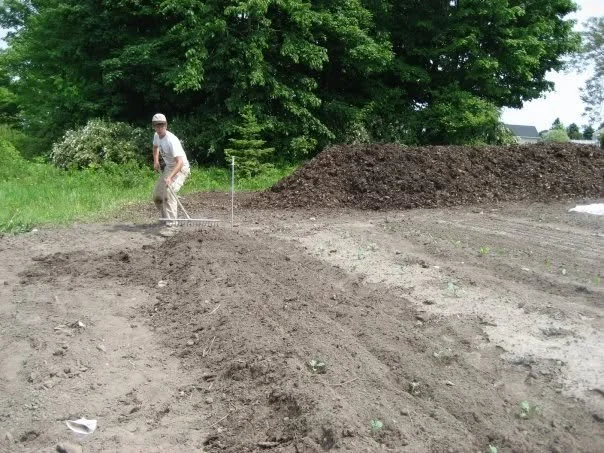
I worked on a biodynamic farm in 2009 for half a year. I would be pretty excited to get my hands into the soil again for this project.
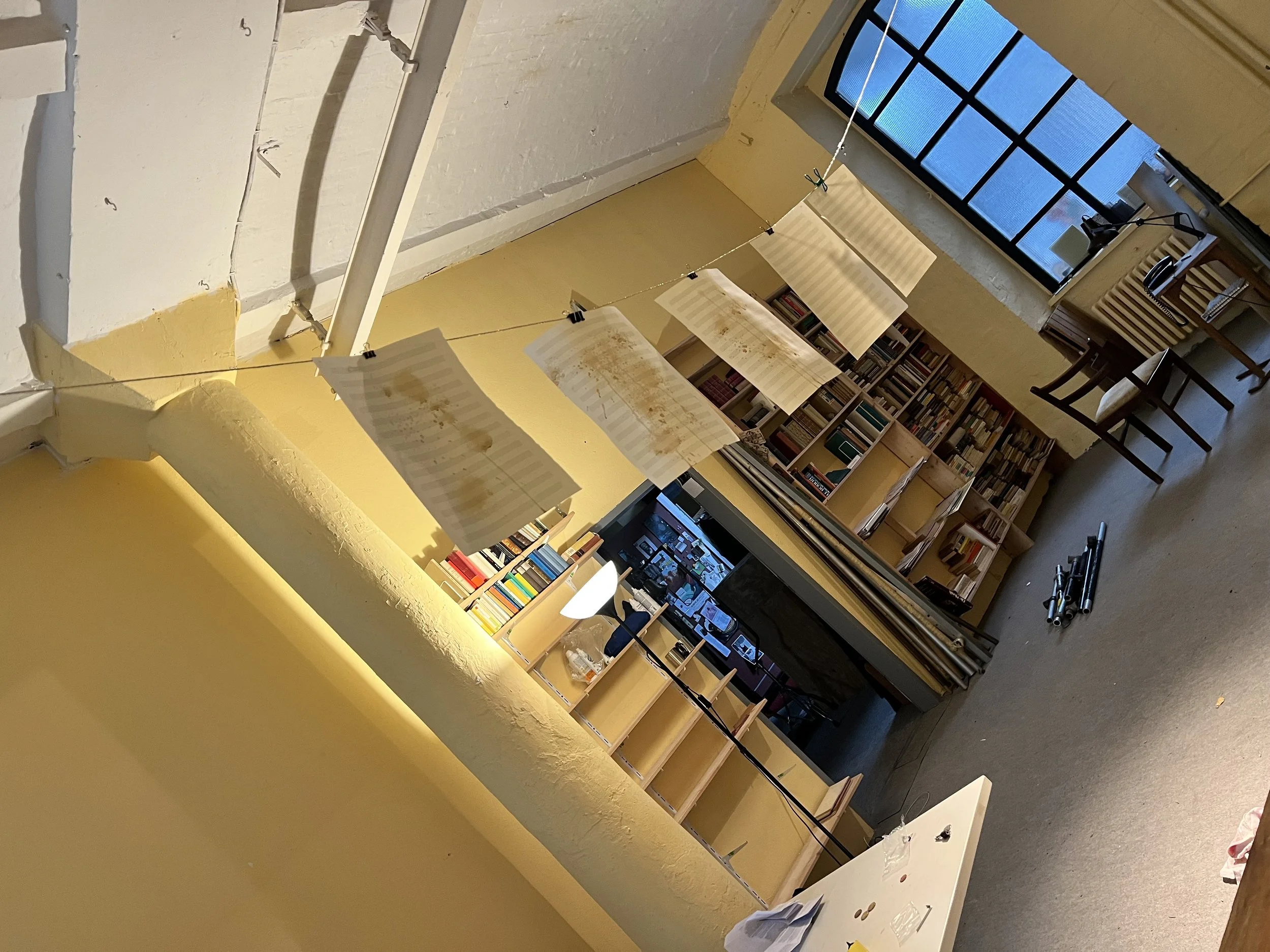
I am beginning to experiment with growing cultures on music staff paper in my studio in Berlin.